Discovering the Rhône
There is something almost cinematic about the Rhône. It doesn’t simply flow—it unfurls. From the crystalline origins in the Swiss Alps to its languid surrender into the Mediterranean, this storied river carries with it the soul of southern France: sun-warmed, deeply textured, and irresistibly alive.
To sail the Rhône is to drift through a landscape that feels both composed and entirely uncontrived. Vineyards ripple across hillsides in precise, ancient geometry; ochre villages rise softly from the earth; and light—always that southern light—casts everything in a kind of golden permanence. This is Provence at its most poetic, where lavender fields exhale into the breeze and café terraces hum gently beneath plane trees.
What sets the Rhône apart is its cadence. It resists urgency. Days begin slowly—perhaps with the distant toll of church bells or the quiet ritual of morning markets—before unfolding into afternoons rich with discovery. In Arles, Roman ruins stand in stoic defiance of time; in Avignon, the great papal palace glows with quiet authority; and in Lyon, the air itself seems perfumed with butter, wine, and culinary ambition.
But more than anything, the Rhône is felt through the senses. It is tasted in a glass of Syrah—dark, peppered, and complex—or in the silken richness of a Provençal dish. It is heard in the murmur of riverside conversation and seen in the slow ballet of light across vineyard terraces at dusk.
To travel here is not to observe France, but to inhabit it—if only for a while.
Aboard the AmaDagio
There is a particular charm to ships that understand their setting—and AmaDagio does precisely that. Intimate in scale and quietly assured in style, it feels less like a vessel and more like a well-kept secret drifting through the heart of the Rhône Valley.
Carrying just over a hundred guests, the experience onboard is immediately personal. Familiar faces emerge quickly—both among fellow travelers and the crew, who seem to anticipate preferences with effortless grace. There is no grand spectacle here, no excess for its own sake. Instead, there is a gentle refinement, a sense that everything has been considered and nothing overstated.
Cabins are bathed in natural light, with French balconies or wide windows framing a constantly shifting tableau of vineyards, stone villages, and riverside life. Interiors are calm and unfussy—spaces designed not to distract, but to restore. After a day ashore, they offer a welcome stillness.
Life onboard flows easily. The lounge becomes a gathering place in the truest sense—whether for a quiet morning coffee, a glass of Viognier at sunset, or the easy camaraderie that forms between like-minded travelers. Above, the sun deck invites long, unhurried hours, where the passing landscape becomes its own kind of meditation.
Dining, as one might hope on this stretch of river, is deeply rooted in place. Menus echo the regions you pass through—fragrant herbs, seasonal produce, and dishes that speak softly of tradition. Wines are thoughtfully chosen, offering a liquid narrative of the Rhône itself: bold reds, expressive whites, each with a story of soil and sun behind it.
AmaDagio does not strive to impress. It simply understands—and that is far more compelling.
Cruising with AmaWaterways
AmaWaterways approaches river cruising with a sensibility that feels particularly well-matched to France: understated, immersive, and deeply attuned to experience over spectacle.
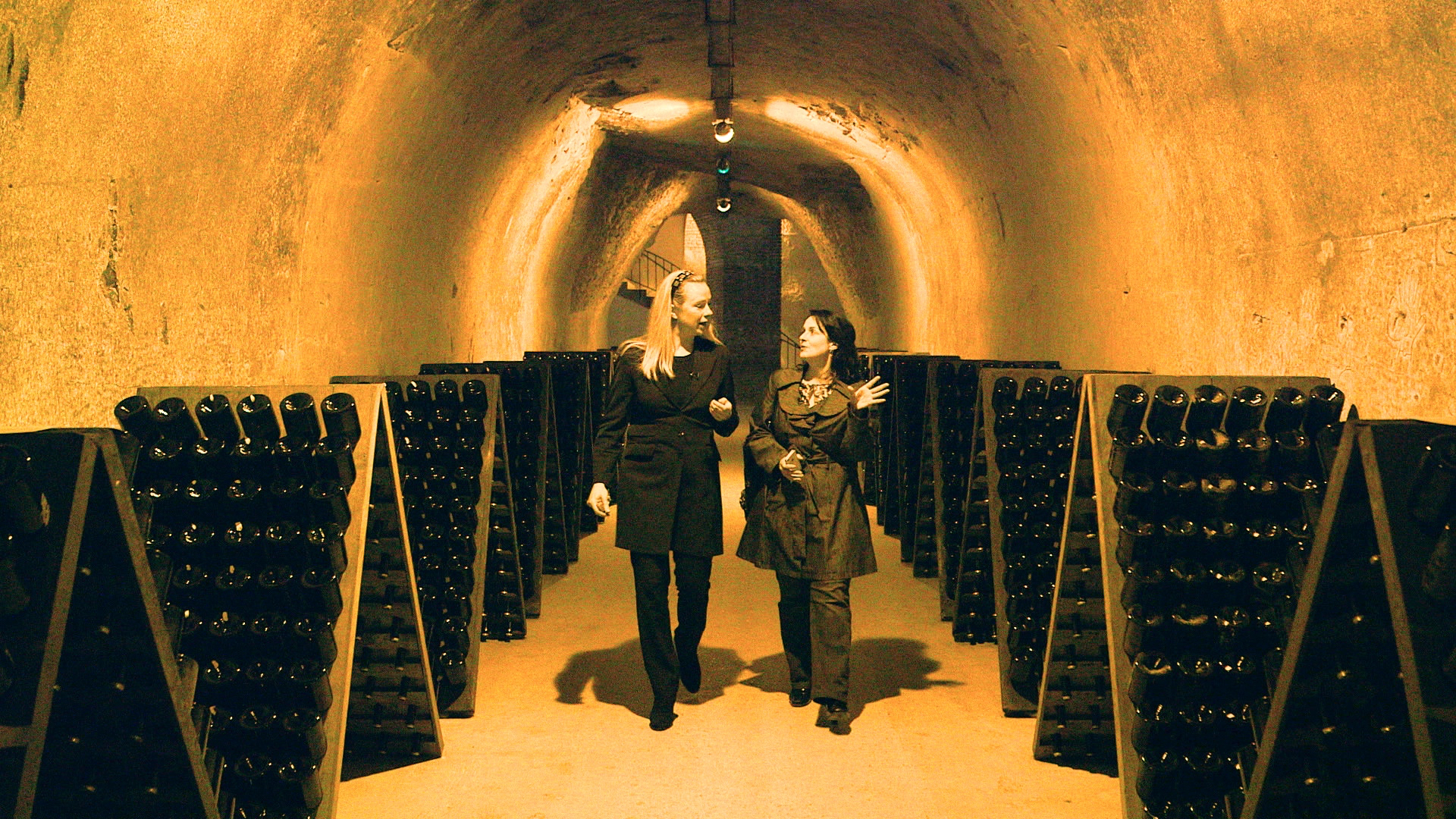
There is a quiet confidence in the way journeys are curated. Shore excursions are not rushed or overly orchestrated, but instead feel like invitations—opportunities to step into the rhythm of a place. A guided walk through a medieval town, a tasting in a centuries-old cellar, a moment to linger in a market where life unfolds in small, beautiful details.
Flexibility is woven into the experience. Some may choose a gentle stroll through cobbled streets, others a more active exploration by bike or on foot. What matters is that the journey adapts to the traveler, rather than the reverse.
The guests who find themselves most at home here are those who travel not to check boxes, but to connect. They are curious, appreciative, and often quietly passionate about food, wine, and culture. Conversations linger over dinner; discoveries are shared; the experience becomes as much about people as it is about place.
On the Rhône, this philosophy comes into its own. From Lyon’s storied kitchens to the vineyards of the south, every moment feels anchored in authenticity. This is not France presented—it is France revealed, gently and with care.
Uncorking the Rhône: The Essential Wine Regions to Know
If the Rhône has a language, it is spoken fluently in wine.
The valley divides itself naturally into two distinct expressions. In the north, the landscape is dramatic—vineyards etched into steep slopes, their geometry as striking as it is demanding. Here, Syrah finds its most eloquent voice: wines that are structured, aromatic, and layered with notes of spice, smoke, and dark fruit. Viognier, too, flourishes—its perfumed whites offering a softer, more lyrical counterpoint.
Traveling through this region, one cannot help but admire the sheer effort behind each bottle. These are vineyards shaped as much by human determination as by nature itself.
Further south, the mood shifts. The terrain opens, the air warms, and the wines take on a more generous character. Grenache leads the way, often supported by a chorus of other varietals, creating blends that are rich, sun-drenched, and deeply expressive.
In Châteauneuf-du-Pape, the famed rounded stones—galets roulés—absorb the day’s heat, releasing it slowly into the vines. The result is wine that feels almost elemental, shaped by earth and climate in equal measure.
But beyond the technicalities, wine along the Rhône is simply a way of life. It is present in the clink of glasses at a village café, in the stories shared by local producers, in the easy generosity of a region that understands pleasure as something to be savored, not rushed.
To explore the Rhône through its wines is to understand it more deeply—not just as a destination, but as a living, breathing expression of place.
Most Recent from The Blog
- BREAKING NEWS: Royal Caribbean Group Buys 50% of Sandals Resorts – A Gamechanger for Caribbean - and Global? Cruising
- Europe Gets New Air Passenger Protections, Or: Why Can’t We Have Nice Things, Too?
- Gaudí at 100: Barcelona's Most Famous Architect "Raising the Roof" of the City


